

Artificial Intelligence is no longer just a trend—it’s a powerful daily tool. But the real secret to getting high-quality, human-like, and accurate responses from ChatGPT isn’t the tool itself. It’s how you ask the question. This complete guide will show you how to write high-performing ChatGPT prompts so you can instantly get better AI results for writing, business, coding, learning, and more.
What Is a ChatGPT Prompt?
A ChatGPT prompt is the instruction, question, or command you give the AI to generate a response. The quality of the output depends directly on the clarity, detail, and structure of your prompt.
Think of it like this:
Better prompt = better result.
A vague prompt gives a generic answer, while a well-written prompt can deliver precise, expert-level output.
Why Prompt Quality Matters So Much
If you’ve ever felt that ChatGPT’s answers were too basic or inaccurate, chances are the prompt lacked direction.
A strong prompt helps you:
- Get more accurate and relevant responses
- Save time by reducing follow-up questions
- Generate content that sounds natural and human
- Use ChatGPT for advanced tasks like SEO, analysis, and planning
Prompt engineering is the skill that separates casual users from power users.
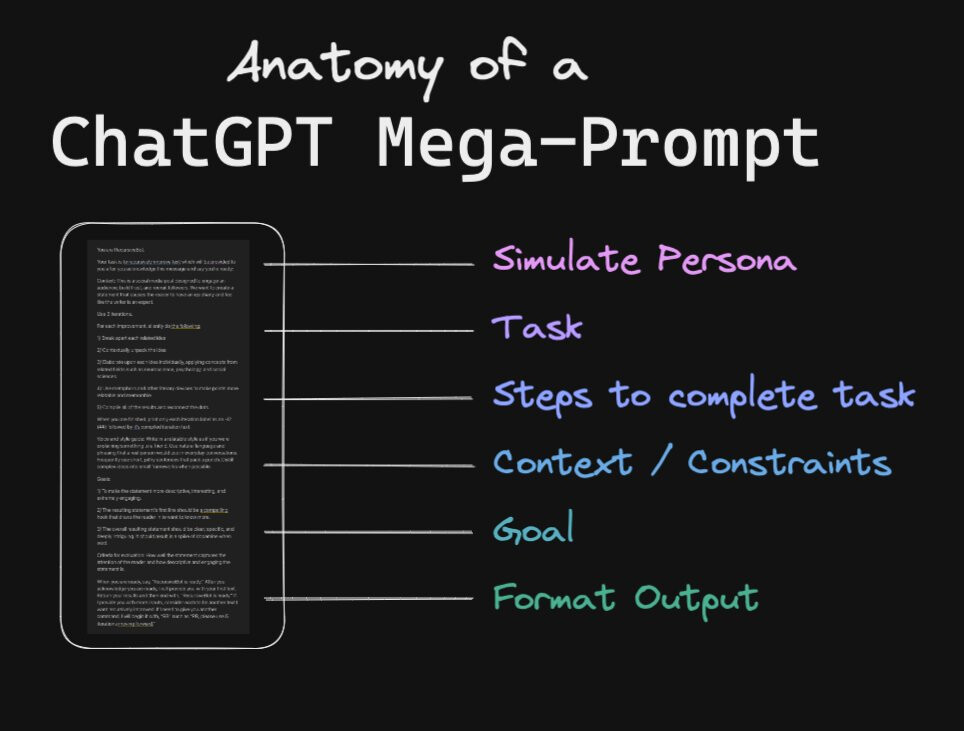
The Perfect ChatGPT Prompt Formula
High-ranking, high-output prompts often follow a simple structure:
Role + Task + Context + Constraints + Output Format
Let’s break it down.
1. Assign a Role
Tell ChatGPT who it should act as.
Example:
“Act as a professional SEO content writer…”
This instantly improves the tone and depth of the response.
2. Define the Task Clearly
Be specific about what you want.
Weak:
“Write about fitness.”
Strong:
“Write a detailed blog post on daily fitness habits for beginners.”
3. Add Context
The more background you provide, the better the response.
Include:
- Target audience
- Purpose
- Industry or niche
- Skill level
4. Set Constraints
Control the output using rules.
Common constraints:
- Word count
- Writing style (formal, conversational, human-like)
- Language or region
- SEO optimization
5. Specify the Output Format
Tell ChatGPT exactly how you want the result.
Examples:
- Headings and subheadings
- Bullet points
- Tables
- Step-by-step format
Examples of High-Performing ChatGPT Prompts
Content Writing Prompt
“Act as an expert blog writer. Write a 1,000-word SEO-optimized article on affordable fashion trends for 2025. Use a conversational tone, clear headings, and human-like language.”
SEO Prompt
“Act as an SEO specialist. Generate high-ranking keywords and meta descriptions for a blog on AI tools for small businesses.”
Business Prompt
“Act as a startup consultant. Create a step-by-step growth strategy for an online business with a low budget.”
Learning Prompt
“Explain blockchain technology in simple terms for a beginner, using real-life examples.”
Coding Prompt
“Act as a senior developer. Debug this Python code and explain the error in simple language.”
Advanced ChatGPT Prompting Techniques
Use Step-by-Step Instructions
Asking ChatGPT to think step by step improves accuracy.
Example:
“Break the solution into clear steps and explain each one.”
Ask for Multiple Variations
This improves creativity and gives more options.
Example:
“Generate 5 headline variations optimized for SEO.”
Request Self-Review
Ask ChatGPT to improve its own output.
Example:
“Rewrite this content to sound more natural and human-written.”
Common Prompt Mistakes to Avoid
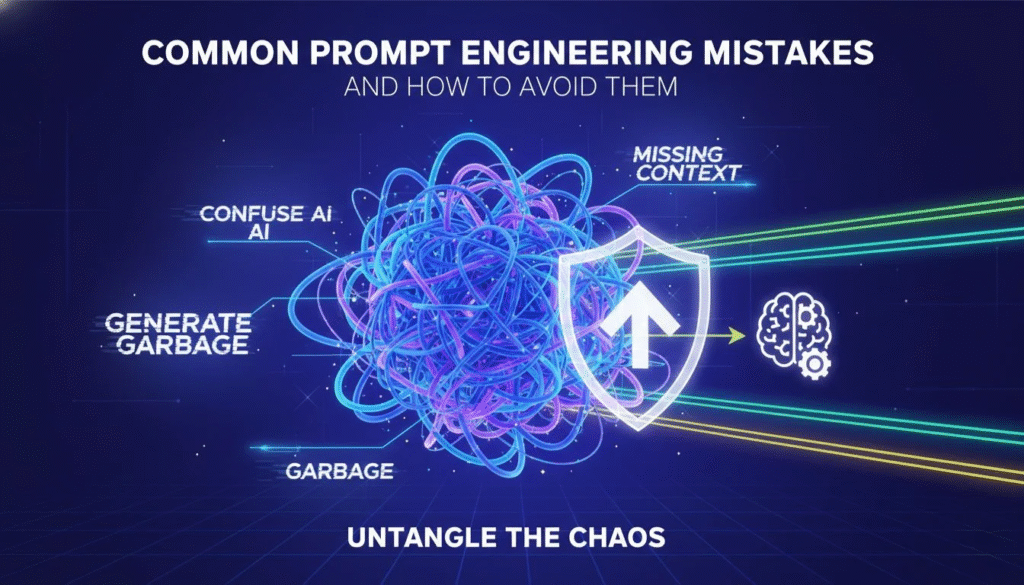
- Being too vague or short
- Asking multiple unrelated questions in one prompt
- Not specifying tone or audience
- Expecting perfect output without iteration
Remember: Prompting is a conversation, not a one-time command.
Best Practices for Instant Better AI Results
- Use complete sentences
- Add examples when possible
- Be direct and clear
- Refine your prompt if the output isn’t perfect
- Treat ChatGPT like a skilled assistant, not a search engine
Final Thoughts
Mastering ChatGPT prompts is one of the most valuable digital skills today. When you learn how to guide the AI properly, you unlock faster workflows, higher-quality content, and smarter decision-making.
The information provided in this blog post is for educational and informational purposes only. While every effort has been made to ensure accuracy and relevance, the use of ChatGPT prompts and AI-generated content may produce varying results depending on context, input quality, and updates to AI models. This content does not constitute professional, legal, financial, or technical advice.
Readers are encouraged to use their own judgment and verify information independently before applying any prompts or strategies discussed in this article. The author and publisher are not responsible for any outcomes, losses, or issues arising from the use or misuse of the information provided. Use of ChatGPT and other AI tools is subject to their respective terms and conditions.
#ChatGPTPrompts #AIPromptGuide #PromptEngineering #AIWriting #ChatGPTTips #Anslation #Carrerbook #ArtificialIntelligence #AIContentCreation #ContentWritingTips #BloggingWithAI #SEOContent #AIProductivity #DigitalMarketing #TechTrends #AIBlogging #SmartPrompting