
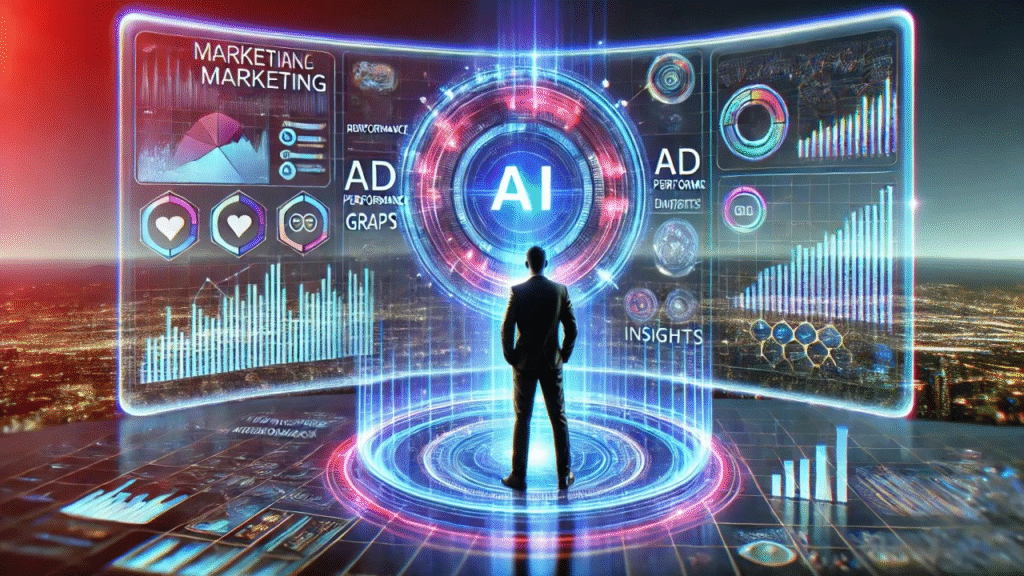
Digital marketing has never been more competitive. Every brand is fighting for attention, clicks, and conversions in an online world that changes daily. What’s making the biggest difference today? Artificial Intelligence (AI). AI is no longer a future trend—it’s already reshaping the way marketers plan, execute, and improve their campaigns.
In this article, we’ll break down how AI-driven digital marketing creates smarter campaigns, delivers better customer experiences, and ultimately drives higher conversions—without losing the human touch.
What Is AI-Driven Digital Marketing?
AI-driven digital marketing means using artificial intelligence technologies to analyze data, predict customer behavior, automate tasks, and personalize marketing efforts in real time. Instead of relying only on guesswork or manual processes, AI helps marketers make data-backed decisions faster and more accurately.
From content creation and email marketing to paid ads and customer support, AI supports almost every part of the digital marketing ecosystem.
Why AI Matters More Than Ever in Marketing
Consumers today expect personalized, relevant, and timely experiences. Generic ads and mass emails no longer work. AI allows marketers to understand users on a deeper level and respond to their needs instantly.
Here’s why AI has become essential:
- Large data handling: AI processes massive amounts of customer data effortlessly
- Real-time insights: Marketers can react instantly to trends and behavior
- Higher efficiency: Repetitive tasks are automated, saving time and resources
- Improved accuracy: Better targeting leads to higher conversion rates
Smarter Campaigns Powered by AI
1. Data-Driven Targeting
AI analyzes user behavior, interests, purchase history, and browsing patterns to identify high-intent audiences. This ensures your campaigns reach the right people at the right time, increasing engagement and reducing wasted ad spend.
2. Personalized Content at Scale
AI helps tailor content for each user—whether it’s personalized emails, landing pages, product recommendations, or ads. People are more likely to convert when messaging feels relevant and personal.
3. Predictive Analytics
Instead of reacting to past data, AI predicts future outcomes. It can forecast which leads are most likely to convert, what products users might buy next, and when they are ready to take action.
4. Automated Campaign Optimization
AI continuously monitors performance and automatically adjusts bids, creatives, and targeting. This real-time optimization keeps campaigns performing efficiently without constant manual intervention.
Better Conversions Through AI
Enhanced Customer Experience
AI-powered chatbots, recommendation engines, and smart email sequences ensure customers receive quick responses and relevant information—leading to smoother buying journeys.
Improved Lead Scoring
Not all leads are equal. AI assigns value to leads based on behavior and engagement, allowing sales teams to focus on high-quality prospects that are more likely to convert.
A/B Testing Made Smarter
Traditional A/B testing can be slow. AI speeds it up by running multiple variations, analyzing results instantly, and pushing the best-performing option live.
Reduced Drop-Off Rates
AI identifies friction points in the customer journey and suggests improvements—from design changes to better call-to-action placement—helping reduce bounce rates and cart abandonment.
AI Tools Making a Real Impact
Some of the most common areas where AI excels include:
- SEO optimization and keyword analysis
- Content writing and idea generation
- Email marketing automation
- Social media scheduling and analytics
- Ad campaign optimization
- Customer support and chatbots
These tools don’t replace marketers—they empower them to work more strategically.
The Human Element Still Matters
While AI handles data and automation, human creativity and emotional intelligence remain essential. Successful AI-driven marketing blends technology with human insight—storytelling, brand voice, and ethical decision-making still depend on marketers.
AI should support your strategy, not define it entirely.
Final Thoughts
AI-driven digital marketing isn’t about shortcuts—it’s about working smarter. By combining AI’s analytical power with human creativity, businesses can create campaigns that are more relevant, more efficient, and far more effective.
Smarter campaigns lead to better experiences—and better experiences naturally result in higher conversions. Brands that adopt AI today aren’t just keeping up; they’re staying ahead.
The information provided in this blog is for general informational and educational purposes only. While every effort has been made to ensure the accuracy and relevance of the content, digital marketing strategies and AI technologies are constantly evolving, and results may vary based on individual circumstances, tools, and market conditions.
This article does not constitute professional, financial, legal, or business advice. Readers are encouraged to conduct their own research and consult with qualified professionals before implementing any AI-driven digital marketing strategies discussed here. The author and publisher assume no responsibility for errors, omissions, or any outcomes resulting from the use of this information.
#AIDigitalMarketing #AIInMarketing #DigitalMarketingAI #MarketingAutomation #Anslation #Carrerbook #AIPoweredMarketing #SmartMarketing #DigitalStrategy #MarketingTechnology #AIForBusiness #OnlineMarketing #DataDrivenMarketing #ContentMarketingAI #SEOStrategy #AdTech #FutureOfMarketing